Fresh Cheeses
Fresh cheeses are the purest form of cheese you can get. They are made without any molds or
preservatives. Although they are simple, they are very widely ranged in categories.
Fresh cheeses usually:
- Don't have rinds.
- Are white in color.
- Are mild in taste.
- Are not aged.
- Range in textures (creamy, soft, crumbly, etc.).
- Are not drained from their moisture (whey).
- Sold in tubs or plastic packaging.
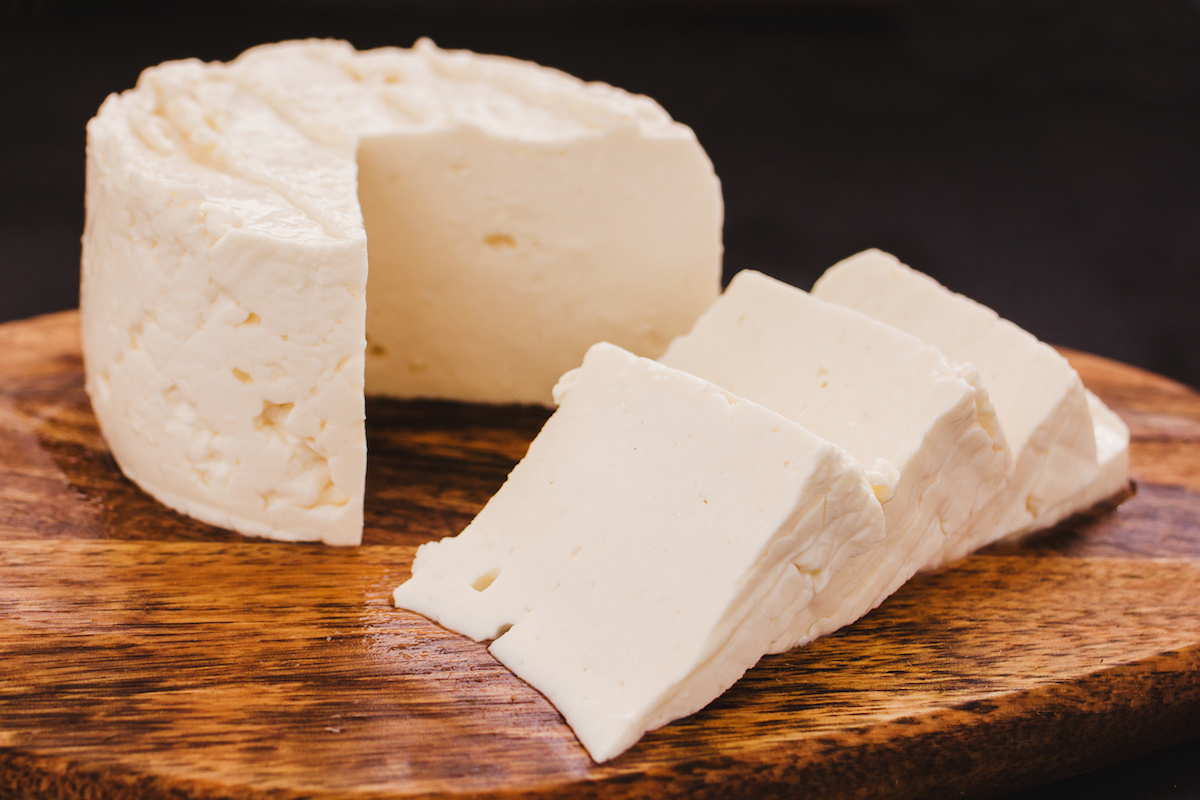
Turkish Cheese. Introduction to Turkish Cheese, eskapas.com/turkish-cheese/.
Fresh cheeses are great for people who are sensitive to strong cheese smells or tastes. They are also
great to spread on crackers because of their malleability. Fresh cheeses pair nicely with
tomatoes, basil, and olive oil.
Some types of fresh cheeses are:
- Feta
- Mozzarella (Fresh)
- Cream Cheese
- Ricotta
Soft-Ripened Cheeses
Soft ripened cheese, also called bloomy rind cheese, ripen from the outside towards the inside,
causing their middles to have a creamier texture, and their rinds to be bloomy, hence the name.
Soft cheeses usually:
- Have slightly fuzzy rinds.
- Are white or cream colored.
- Mildly tangy and buttery in taste.
- Aged no longer than a month.
- Creamy in texture.
- Treated with mold.
- High in fat content.
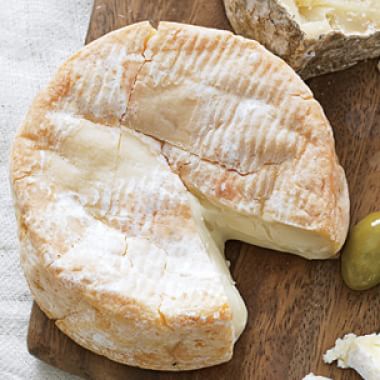
Soft Ripened Cheese. Williams Sonoma Soft Ripened
Cheeses, www.williams-sonoma.com/recipe/tip/soft-ripened-cheeses.html.
Soft-ripened cheeses are rich in taste because of their fat content. Most people choose to not eat
the rind, however it is indeed edible. This cheese pairs well with about everything! The most
popular choices are figs, blackberries, grapes,
nuts, and dried fruit.
Some types of soft-ripened cheeses are:
- Brie Couronne
- Camembert
- Humboldt Fog
- Piette Robert
Semi-soft Cheeses
Semi-soft cheeses are uncooked and pressed. They happen to be my favorite kind, as I have a soft
spot for harvati. Did you get my pun? :)
Semi-soft cheeses usually:
- Have little to no rinds.
- Are light yellow in color.
- Earthy and nutty in taste.
- Are aged around 1-3 months.
- Smooth and dense in texture.
- Range from very mild to strong in flavor.
- Have small irregular holes.
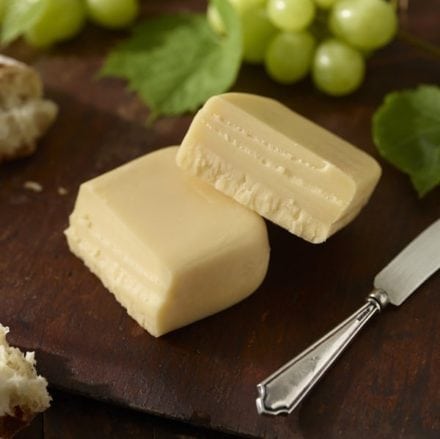
Havarti Onion. Havarti Onion | Semi-Soft Cheese | Shop |
Fair Oaks Farm, fofarms.com/product/havarti-onion/.
Semi-soft cheeses are the perfect cheese for sandwiches, as they are easy to slice and melt. The
mild types are usually paired with mild foods like cucumbers and
dates. The stronger types, however, are paired with stronger foods like
mustard and olives.
Some types of semi-soft cheeses are:
- Harvarti
- Provolone
- American
- Limburger
Semi-Hard Cheeses
Semi-Hard cheeses are quite a big category. They never have mold in their interiors. They can
either be cooked or uncooked.
Semi-hard cheese usually:
- Have or don't have rinds.
- Are white in color.
- Are mildly sharp in taste.
- Aged from 6-12 months.
- Have ~40% moisture content.
- Are brittle and crumbly in texture.
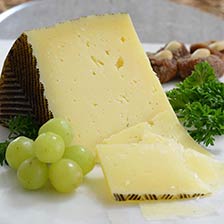
Iberico Semicured Cheese - 3 Months.
www.gourmetfoodstore.com/cheese-and-butter/semi-hard-cheese-0812.
Semi-hard cheeses are ones you may find on salads. Because of their mild taste and brittle
texture, they are perfect for grating. While usually used for toppings and additives, they also
pair nicely alone with apples, grapes, and
pears.
Some types of semi-hard cheeses are:
- Chedder
- Colby Jack
- Baby Swiss
- Gouda
Hard Cheeses
Hard cheeses are fully cooked and sometimes pressed. The goal is to eliminate as much liquid
from them as possible.
Hard cheeses usually:
- Have or don't have rinds.
- Yellow, tan, or orange in color.
- Savory and sharp in taste.
- Are aged around 1-2 years.
- Firm and crumbly in texture.
- Have large irregular holes.
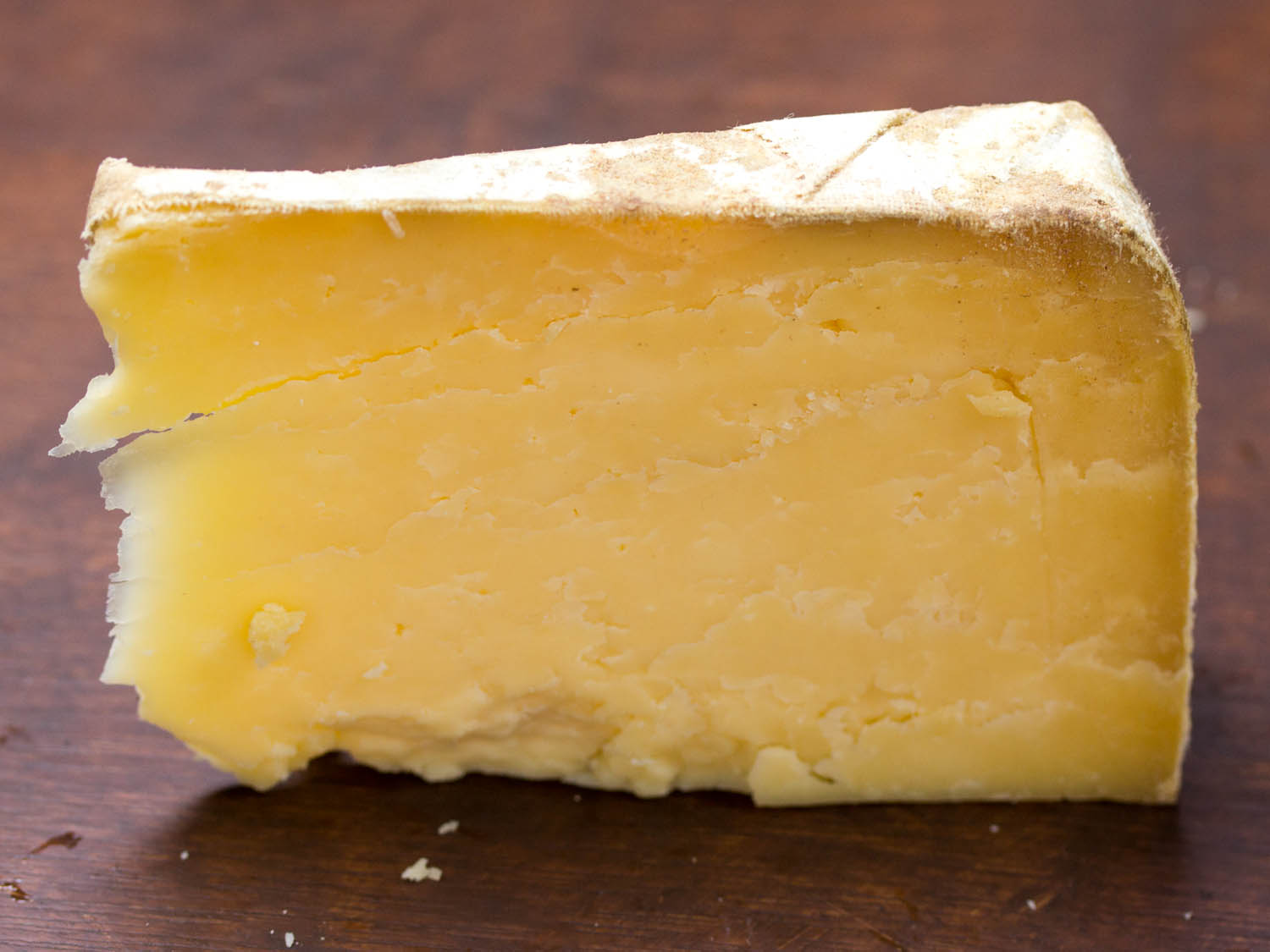
Cabot Clothbound Cheddar. Serious Eats,
www.seriouseats.com/2014/06/hard-cheese-cheddar-parmesan-parmagiano-reggiano-emmenthaler-swiss.html.
Hard cheeses are the ones that lightly top your pastas and soups. They tend to have sharp,
salty flavors, so when lightly sprinkled on more muted foods, they add some kick and extra
flavor to your meals. They are also perfect for grating, shredding, and powderizing. Hard
cheeses are best pairs with grapes, cranberries and
carrots.
Some types of hard cheeses are:
- Parmesan
- Romano
- Reggiano
- Pecorino